

Journal · SEO & AI search
SEO & AI search
Search is where buying decisions start — and in 2026 that means classic Google rankings, the local map pack and being the source AI Overviews and ChatGPT cite. These guides cover technical SEO, local SEO and generative engine optimization (GEO) for startups and SMBs.
13 Oct 2026 · 17 min read
How to Write SEO Friendly Blog Posts That Rank on Google and in AI Answers
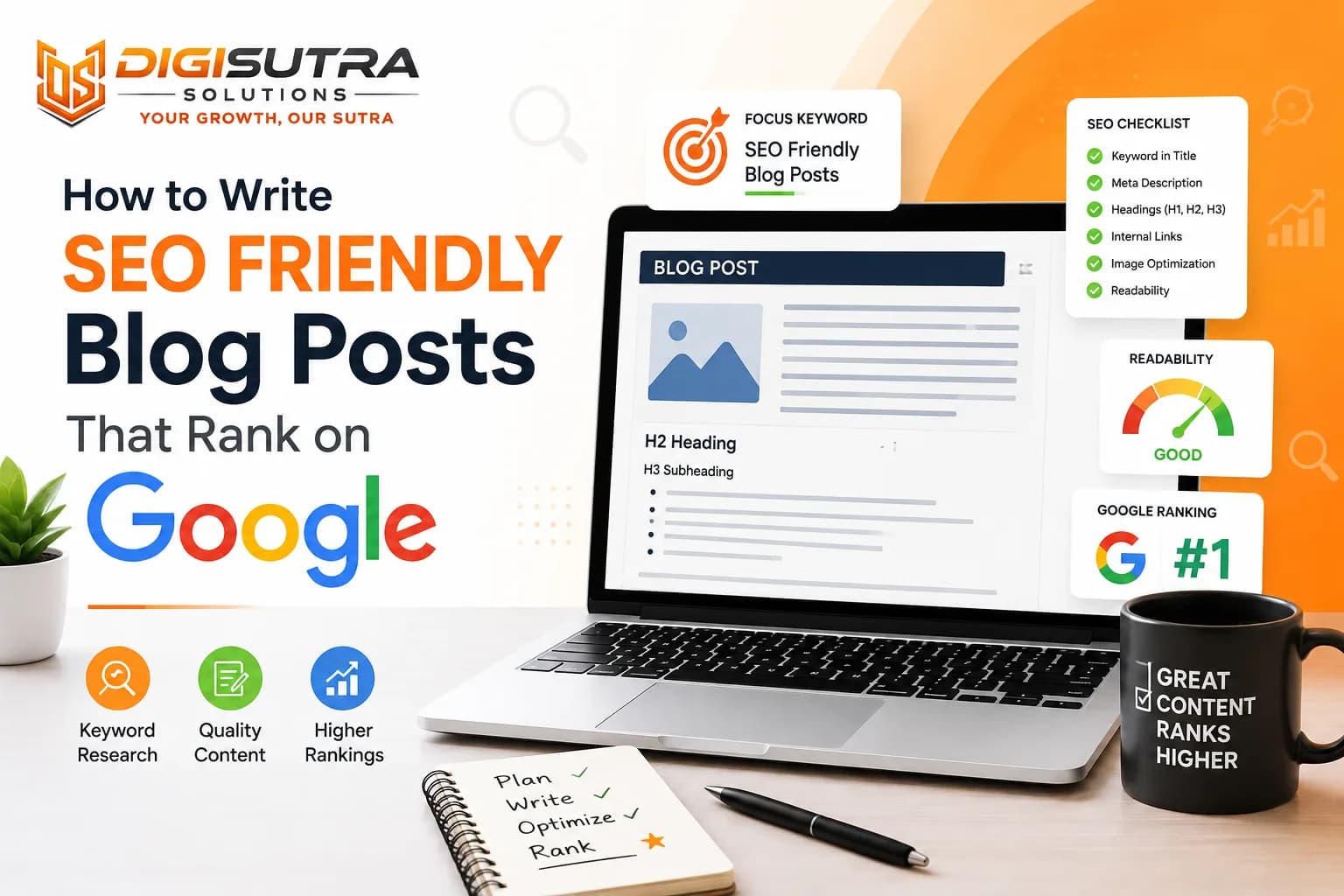 Learn how to write SEO friendly blog posts that rank on Google and get cited by AI tools. This guide covers keyword research, search intent, structure and original value, on-page SEO, AEO, internal linking and editing and refreshing. You also get ten steps, real examples and a list of SEO myths to skip.Read the playbook
12 Oct 2026 · 20 min read
Google Latest SEO Updates October 2026: What Changed and What to Do
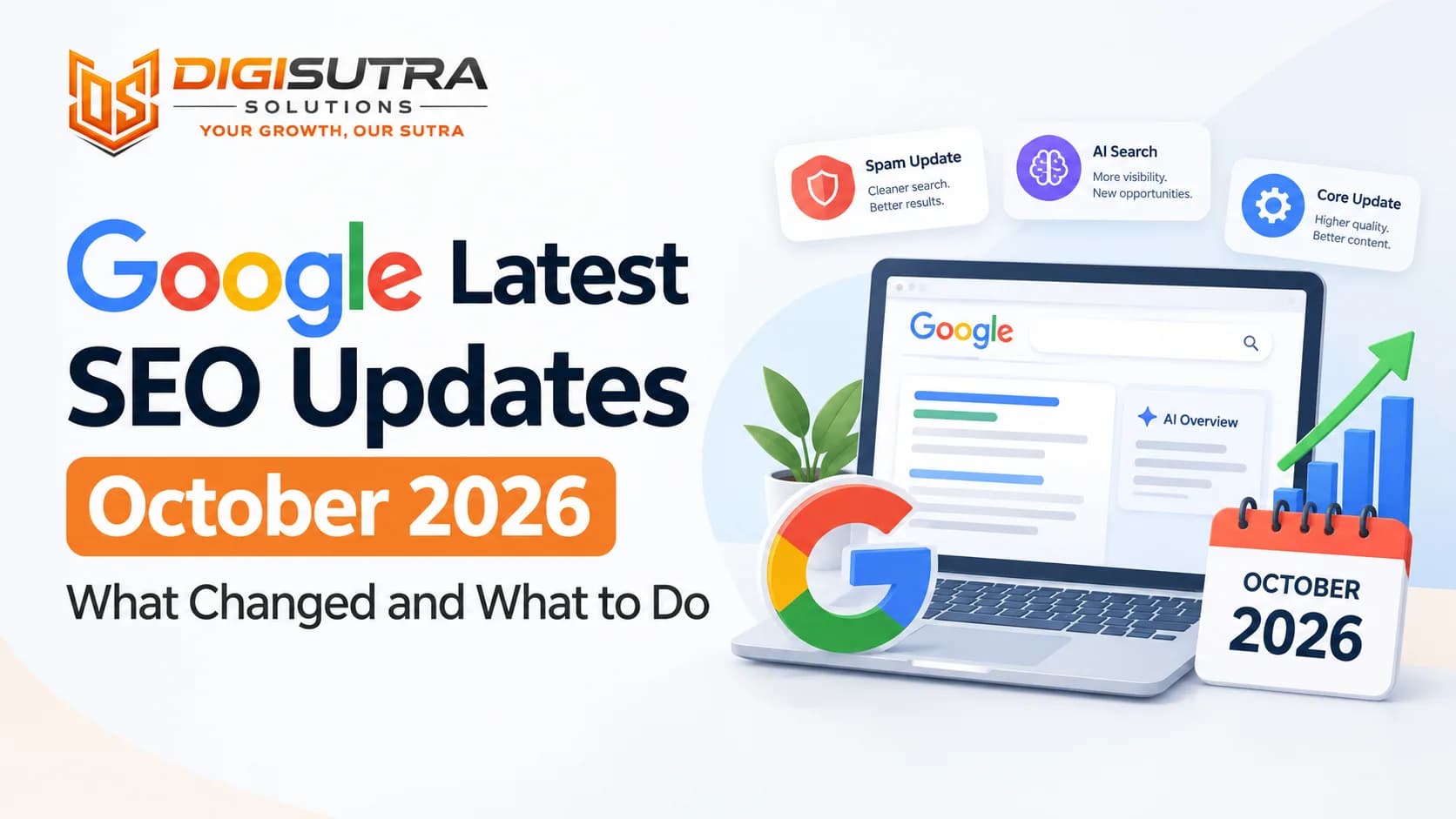 Google's September 2026 spam update ended on 8th October after 13 days and 16 hours. Google also updated its AI content guide and called fake authors deception. It shared crawling and indexing timelines and Search Console added new filters. This guide explains each change in plain words with a 2026 update table and a ten step action plan.Read the playbook
8 Oct 2026 · 36 min read
How to Build Backlinks in 2026: 15 Safe Strategies That Still Work
 A plain-language 2026 guide to building backlinks that are safe and lasting. It explains what makes a link high quality and why links still matter, then covers 15 strategies from business profiles and data pages to digital PR, podcasts, partner links and AI-visible brand mentions. It also includes outreach templates, a link quality checklist, Google's link spam rules, tracking tips and a 90-day plan.Read the playbook
5 Oct 2026 · 23 min read
Robots.txt vs Meta Robots vs X-Robots-Tag: Key Differences, Examples and When to Use Each
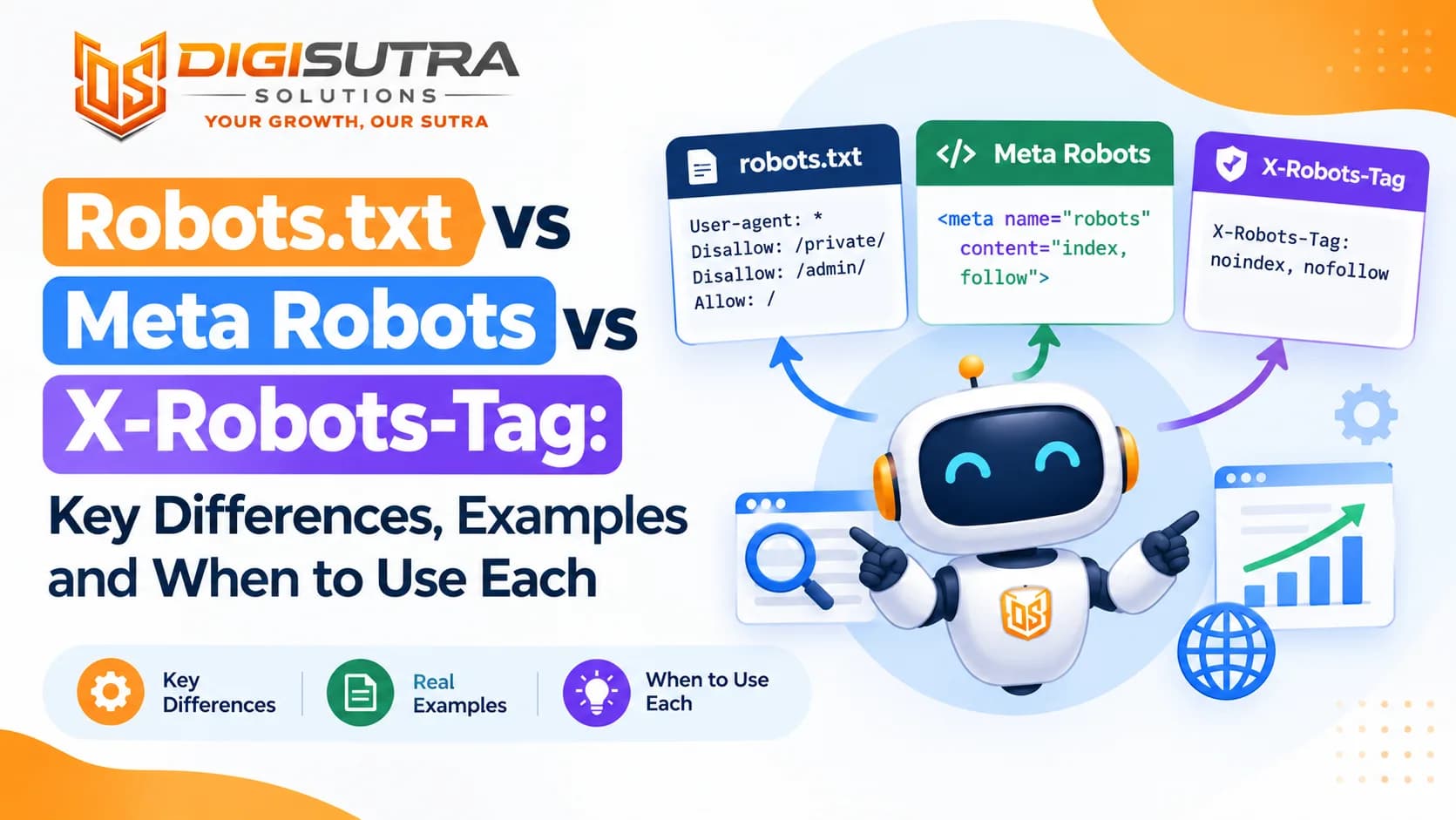 Robots.txt controls which URLs bots may crawl. The meta robots tag and the X-Robots-Tag header control whether a page or file gets indexed and how it shows in search and AI answers. Use robots.txt to cut crawl waste, meta robots for HTML pages and the header for PDFs and images. To remove a page add noindex and keep it crawlable. Set AI bots one by one since training and search bots are separate.Read the playbook
5 Oct 2026 · 16 min read
What Is X-Robots-Tag? Meaning, Directives, Server Examples and SEO Best Practices
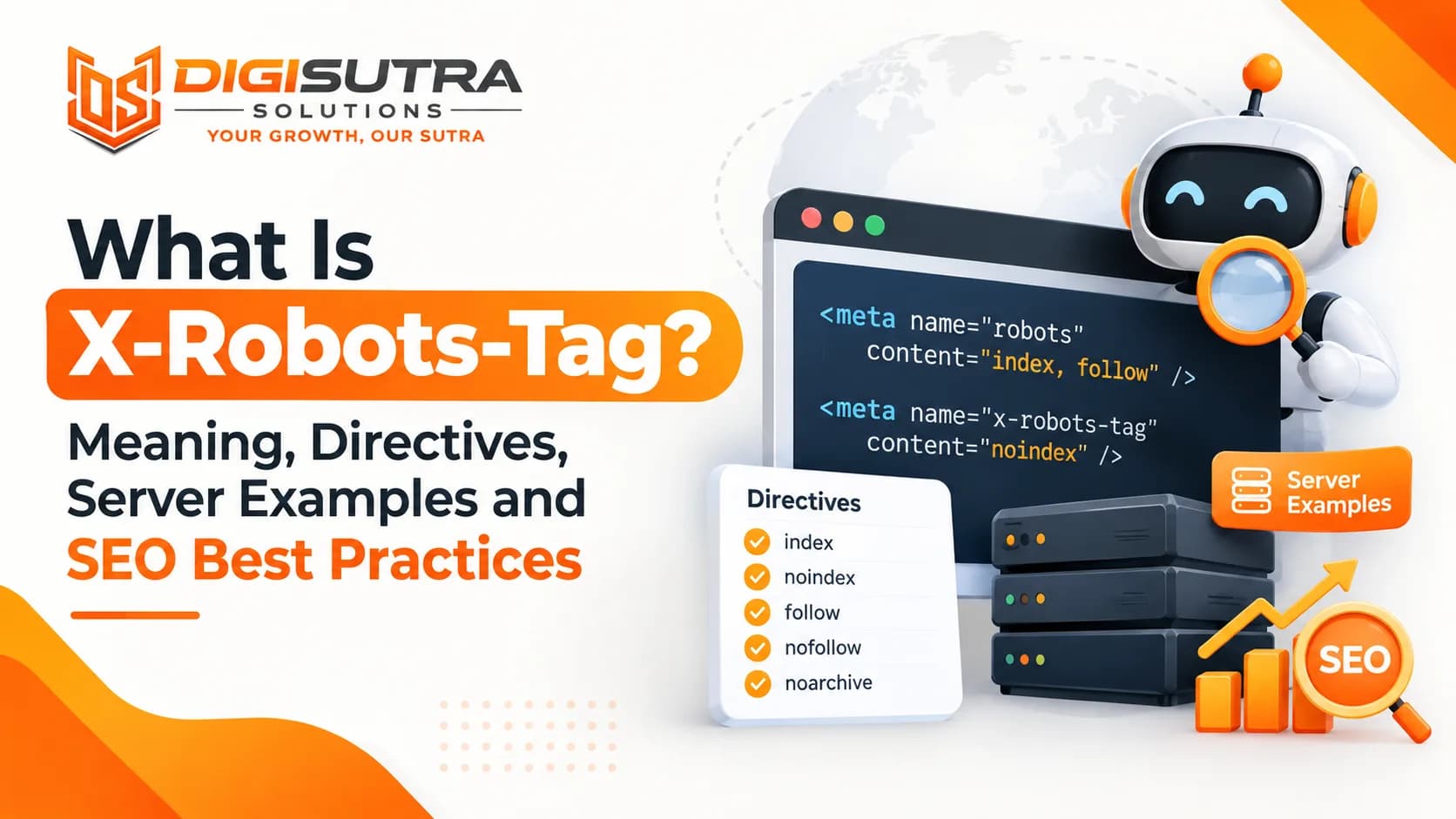 The X-Robots-Tag is an HTTP response header that tells search engines whether to index a URL and how to show it. It works on PDFs, images and API responses as well as pages. This guide covers syntax, every directive, bot targeting and copy-ready Apache, Nginx, Next.js and Netlify setups. It also explains AI Overviews and Copilot controls, testing, common mistakes and best practices.Read the playbook
5 Oct 2026 · 19 min read
What Is a Meta Robots Tag? Meaning, Directives, Examples and SEO Best Practices
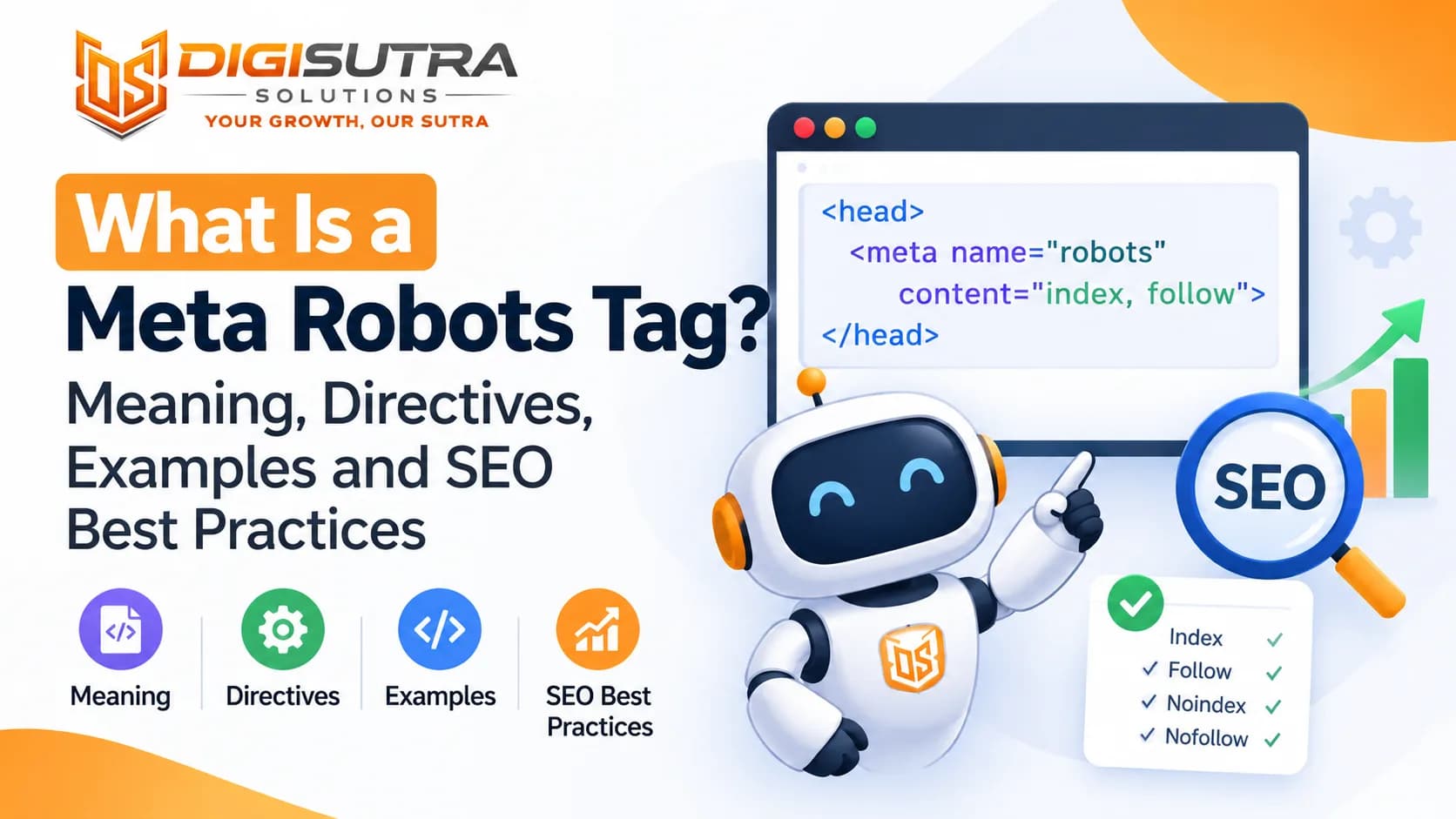 A meta robots tag is a line of HTML that tells search engines whether to index a page, follow its links and show a snippet. This guide covers the tag's syntax, every directive Google supports with copy-ready code and how Google combines rules. It explains AI Overviews and Bing Copilot controls, JavaScript pitfalls, platform setup, removal timing, common mistakes and best practices.Read the playbook
5 Oct 2026 · 26 min read
What Is Robots.txt? Meaning, Rules, Examples and SEO Best Practices
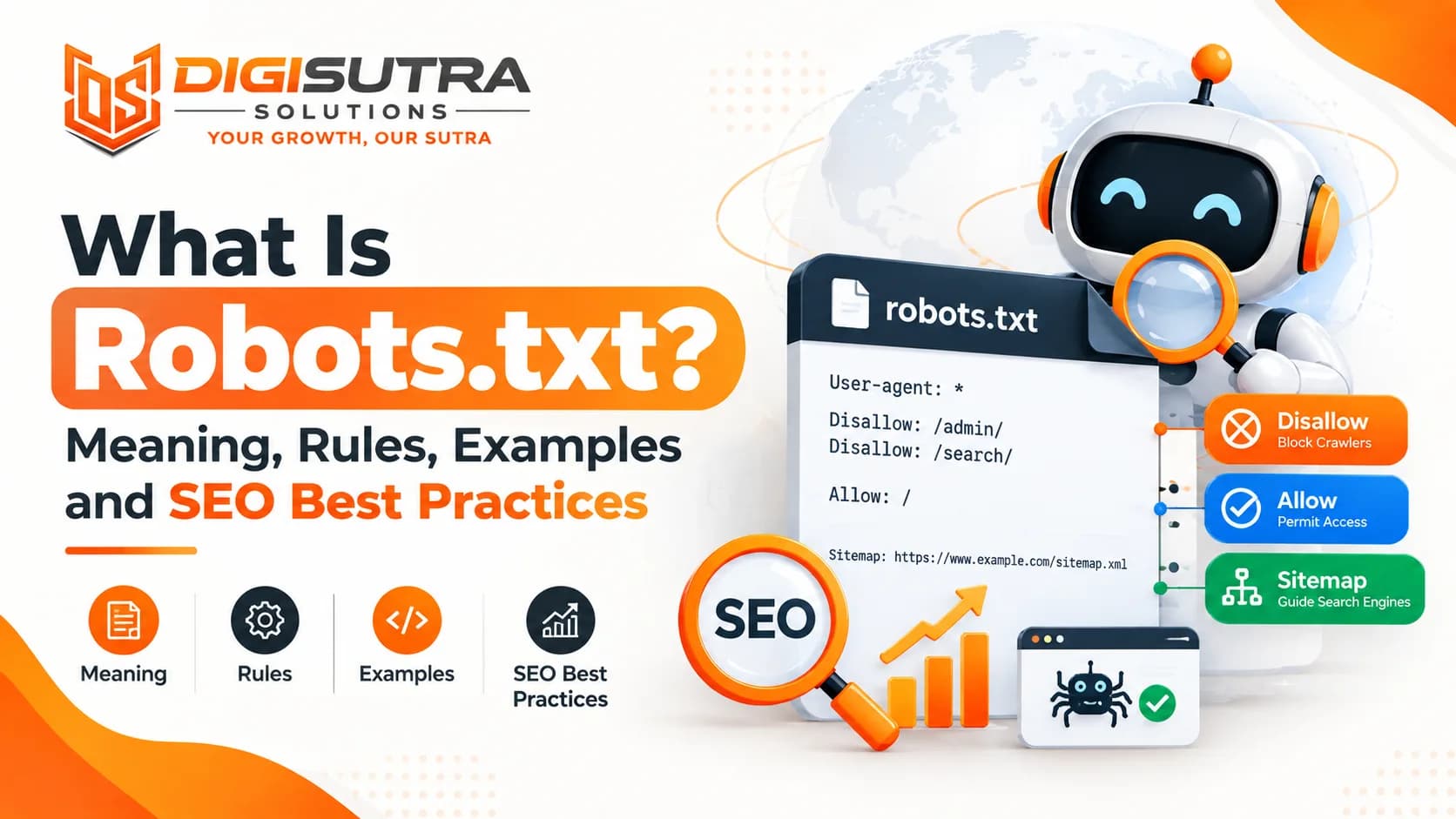 Robots.txt is a plain text file at your site root that tells search engine and AI crawlers which URLs they may crawl. This guide covers how crawlers read it, which rule wins when rules clash, status codes and copy-ready examples. It also explains robots.txt vs noindex and X-Robots-Tag, AI crawler control, Search Console fixes, limitations and best practices for 2026.Read the playbook
23 Sept 2026 · 18 min read
What Is a Sitemap? Meaning, Types, Examples and How to Create One
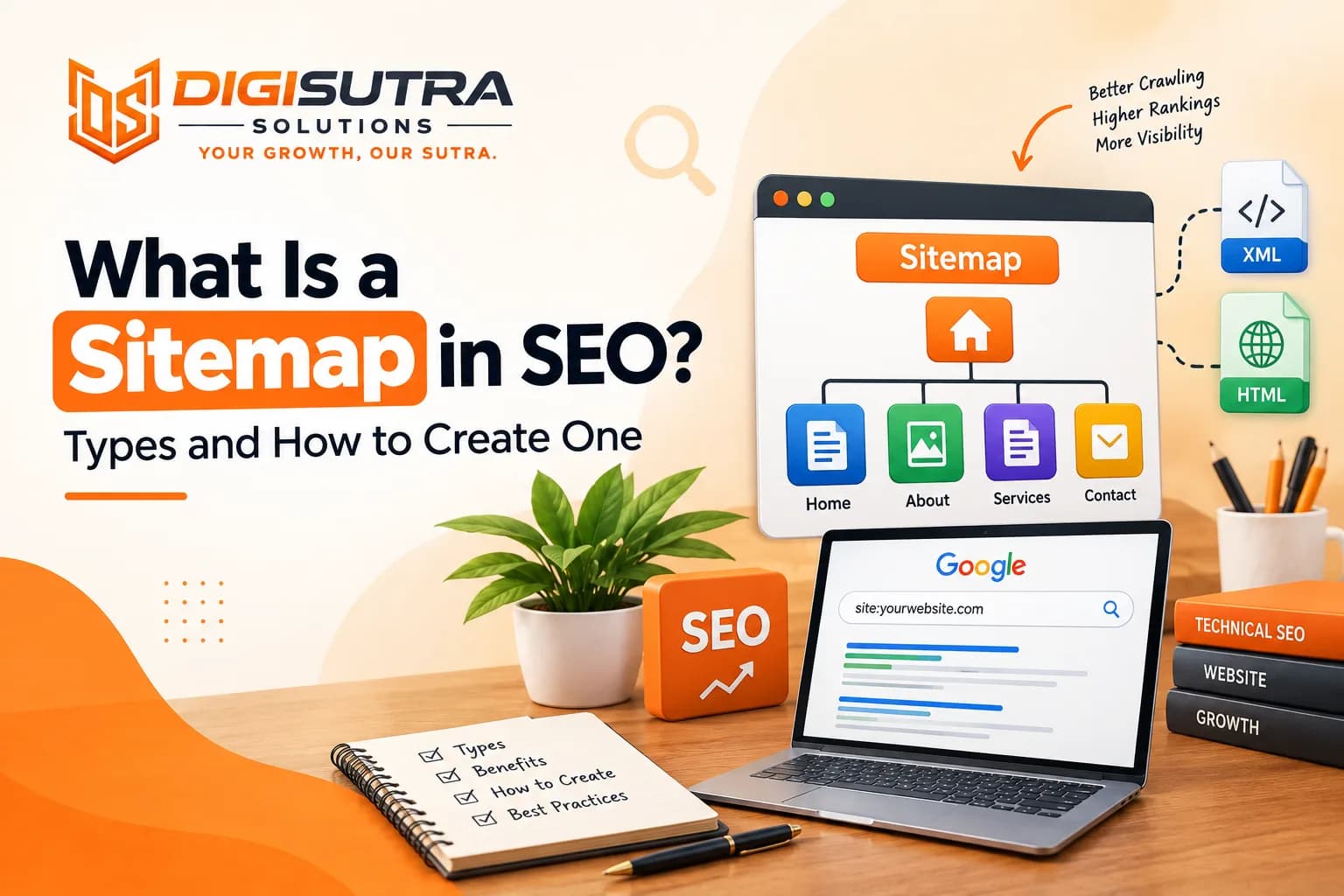 A sitemap is a file that lists your website's pages so search engines can find, crawl and index them. This guide explains what a sitemap is with an XML example and compares XML, HTML and visual sitemaps. It covers when you need one, how to find, create and submit it, what to leave out, common mistakes and how sitemaps support AI search visibility.Read the playbook
17 Sept 2026 · 21 min read
Technical SEO Audit Checklist Covering 47 Issues That Can Hurt Your Rankings
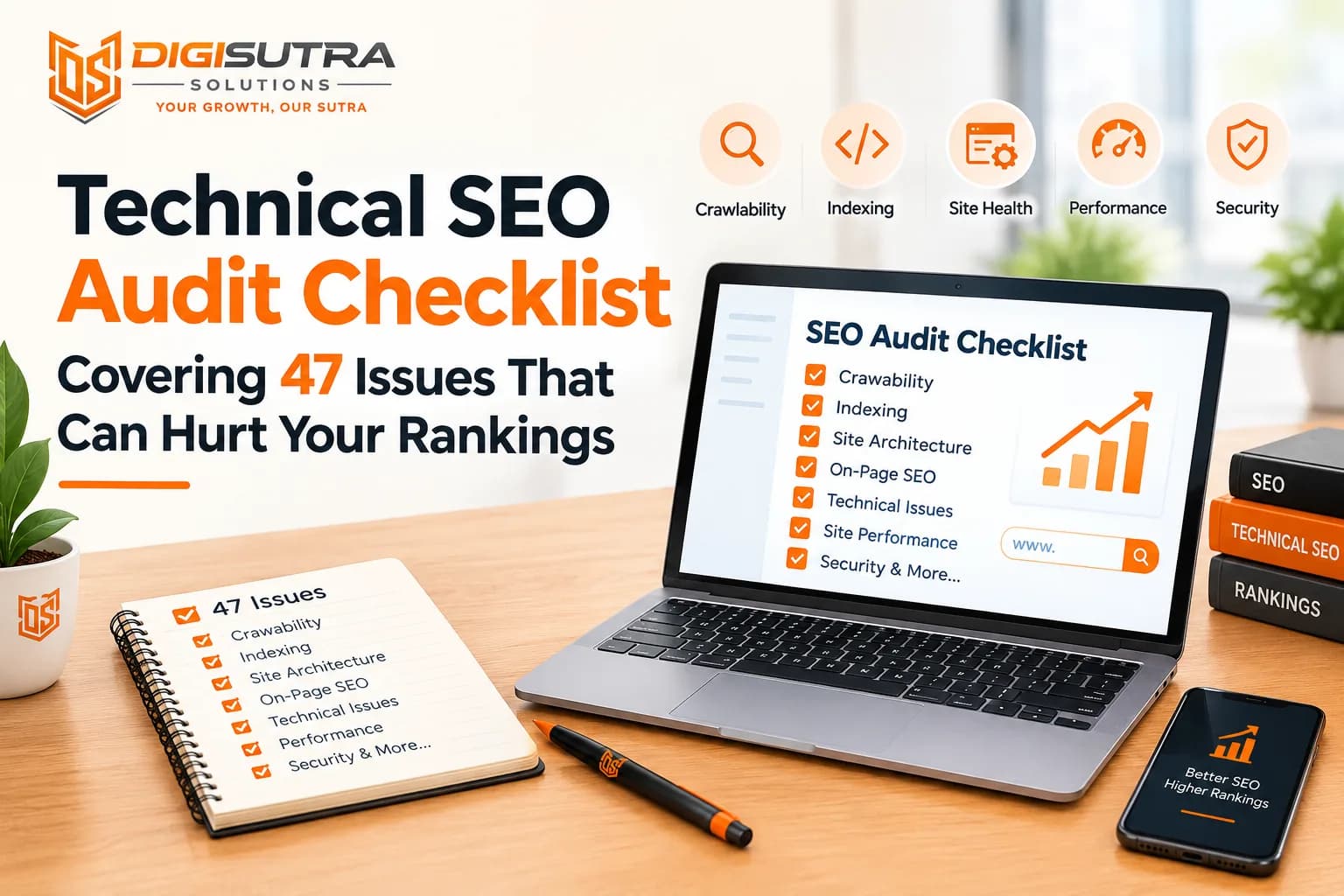 A 2026 technical SEO audit checklist with 47 issues across crawling, rendering, site structure, Core Web Vitals, mobile, schema, security, duplicate content and AI crawler access. Each issue shows how to check it and how to fix it. Includes the tools you need, an 8-step audit process and a priority table for deciding what to fix first.Read the playbook
More from the journal
AI automation12 Oct 2026 · 20 min read
AI Project Planning: How to Scope an AI Project Before Writing Code
 AI project planning means two things: scoping an AI build before coding and using AI to plan projects faster. This guide gives eight steps to scope an AI project plus a sample scope and lifecycle view. It also covers AI planning tools and a prompt template, risks, a one-page checklist and 14 FAQs.Read the playbook
Web & design29 Sept 2026 · 30 min read
Figma to Code Handoff: How to Make It Faster and Easier in 2026
 A plain-language 2026 guide to Figma to code handoff. It shows how to prepare a Figma file, name layers, set up variables and auto layout, add accessibility notes and export assets. It also covers Dev Mode, Code Connect, the Figma MCP server, Figma Make and code layers plus how to automate tickets and tokens and how to review and measure the build.Read the playbook
Web & design28 Sept 2026 · 26 min read
How to Design a Dark Mode Website: Best Practices for Readability and UX
 A step-by-step guide to designing a dark mode website that stays readable and easy to use. It covers dark gray bases and lighter surfaces plus text and accent colors. You also get WCAG contrast checks with tested values, image and logo fixes, a no-flash toggle with code, design tokens, real examples, testing and the effect on SEO and AI search.Read the playbook