
Influencer Marketing vs Paid Social Ads: Which One Should You Pick?
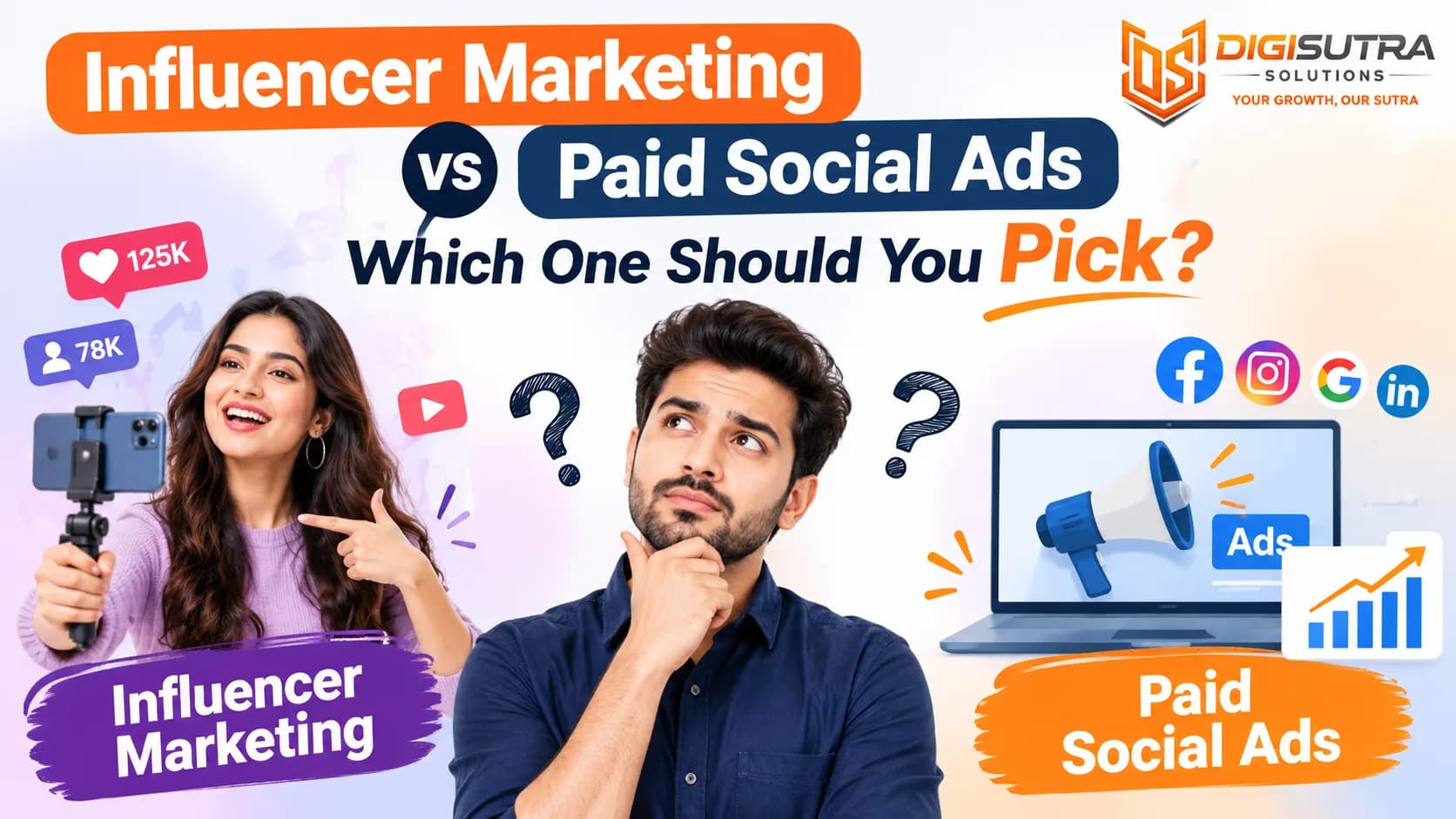
Key takeaways
- Influencer marketing means you pay or gift a creator to talk about your product with their own audience.
- Paid social ads are sponsored posts that you run on platforms like Instagram or Facebook or LinkedIn or TikTok or YouTube.
- The simplest way to see the gap is to look at who speaks and who controls.
- Money is the first thing most owners ask about.
Every brand reaches a point where the social media budget needs a clear plan. Should the money go to creators who already have an audience or to ads that you build and control yourself? This question sits at the heart of influencer marketing vs paid ads and there is no single winner for every business.
Both methods can bring sales and both can waste money when used the wrong way. The difference comes down to trust, speed, control and cost. This guide explains each method in simple words so you can pick the right one for your goal and your budget.
What Is Influencer Marketing?
Influencer marketing means you pay or gift a creator to talk about your product with their own audience. The creator makes the content in their own style and posts it on their own page. People see it as a recommendation from someone they follow and not as a brand message.
Key Features of Influencer Marketing
Content comes from a real person and feels natural in the feed
The audience already follows and trusts the creator
Creators can be nano (under 10K followers) or micro (10K to 100K) or macro and celebrity level
Most deals include a post or reel or story or a mix of all three
Brands can reuse creator content in ads and on their website with permission
Brands that want a steady flow of creator content often work with a team that handles creator partnerships and influencer campaigns from finding the right profiles to tracking results. This saves a lot of time because vetting creators by hand is slow work.
What Are Paid Social Ads?
Paid social ads are sponsored posts that you run on platforms like Instagram or Facebook or LinkedIn or TikTok or YouTube. You choose who sees them and how much you spend. The platform shows your ad to that group and you pay per click or per thousand views or per action.
Key Features of Paid Social Ads
You control the audience by age, location, interest and behavior
Results start within hours after launch
You can set a daily budget and pause at any time
Every click, lead and sale can be tracked
Retargeting lets you reach people who already visited your site
A strong paid campaign needs steady testing of creatives, audiences and bids. Teams that offer paid social advertising management handle this daily work so the budget keeps moving toward what converts.
Influencer Marketing vs Paid Ads: The Core Differences
The simplest way to see the gap is to look at who speaks and who controls. In influencer marketing the creator speaks, you share control. In paid ads you speak and you control almost everything.
When you look at influencer marketing vs paid ads side by side the differences show up in nine areas.
Side-by-Side Comparison
Source of trust – Influencer content borrows the creator's trust while ads rely on your own brand name
Speed – Ads go live in hours while influencer campaigns take weeks to plan and approve
Targeting – Ads let you pick exact audiences while influencers reach whoever follows them
Creative control – You own the ad fully while creators keep their voice and style
Cost model – Ads charge per click or view while creators charge a flat fee or product or commission
Scale – Ads scale up with budget while influencer work scales with the number of creators
Tracking – Ads give clear data while influencer results need codes, links and some guesswork
Content life – A creator post can keep earning views while an ad stops the moment the budget stops
Ad fatigue – Ads wear out as people see them again and again while fresh creator content feels new
Cost and Return on Investment
Money is the first thing most owners ask about. Neither option is cheap or free of risk. The real question is what you get back for each rupee or dollar.
How Costs Work
Influencer fees – Nano creators may accept free products or small fees while big names charge a lot for one post
Ad spend – You can start with a small daily budget and raise it as results improve
Production cost – Ads need design and video work while influencers usually create content themselves
Hidden costs – Both need time for planning, reporting and sometimes an agency fee
Return timing – Ads show returns fast while influencer returns often build over weeks
A good habit is to test small first. Run one ad set and two or three small creators for a month. Then compare cost per sale and not just likes.
Trust and Audience Reach
People skip ads without thinking. A friend or a favorite creator is different. This is why influencer posts often get more comments and saves than a standard ad.
Where Each Method Wins
Influencer marketing wins on trust because the audience already believes the creator
Paid ads win on precision because you can hit people who match your best customer
Influencers open new communities that your own page could not reach alone
Ads keep reaching the same people until they buy and that helps with remarketing
Niche products like skincare or fitness gear often do better with creator reviews
Simple offers like a sale or a free trial often do well with direct ads
Control and Measurement
Control matters when you have strict brand rules or legal limits. It also matters when you need numbers for your boss or client.
What You Can Control and Track
Message – In ads you write every word while creators need a brief and some freedom
Timing – Ads run when you say while creators post on their own schedule within the deal
Audience data – Platforms show age, location and device for ads but creator data comes from screenshots or reports
Attribution – Ads use pixels and conversion tracking while influencers use promo codes and special links
Testing – Ads let you split test headlines and images while creator tests are slower and costlier
Use a unique code and link for each creator. This simple step makes your results much easier to read.
When to Choose Influencer Marketing
Creator partnerships fit best when people need to trust you before they buy. They also help when your brand is new and nobody knows your name yet.
Best Situations for Influencers
You are launching a new product and need social proof
Your product looks better in real use like food or fashion or beauty
Your buyers search for reviews before they decide
You want fresh content for your own page and ads
You want to enter a new city or country with local voices
Your ad costs keep rising and results keep falling
When to Choose Paid Social Ads
Ads fit best when you know your offer works and want to grow it fast. They also fit when you need results by a fixed date.
Best Situations for Paid Ads
You have a sale or event with a short window
You already know your best audience
You need leads for a service or B2B offer
You want to bring back visitors who left without buying
You need exact numbers on cost per lead or cost per sale
You have a proven creative and want to scale it
Brands that care about measurable growth often lean on performance marketing because every campaign ties back to a clear number like cost per acquisition.
How to Combine Both for Better Results
The strongest plans use both methods together. Creators build trust and make content. Ads then push that content to the right people again and again.
A Simple Four-Step Plan
Test creators first – Work with five to ten small creators and see who brings real clicks and sales
Pick the winners – Keep the creator posts that got the best saves, comments and conversions
Turn them into ads – With permission run the top posts as paid ads to a wider audience
Retarget warm visitors – Show those people a direct offer after they watch or click
This mix lowers risk. You spend on ads only after the creator has proven that the message works. Many teams run this exact loop each month and refine it as the data comes in.
Common Mistakes to Avoid
Most failed campaigns share the same few errors. Fixing them early saves a lot of money.
Mistakes That Waste Budget
Choosing creators by follower count, ignoring engagement and audience fit
Giving creators a script so strict that the post feels fake
Running ads without clear tracking in place
Judging results after only two or three days
Using one creative for months until people tune it out
Skipping the legal part like disclosure tags for paid partnerships
Expecting one post to deliver a month of sales
Conclusion
Influencer marketing builds trust, fresh content while paid social ads give speed and control. Neither one replaces the other. If your brand is new or your product needs proof then start with creators. If your offer is tested and you want fast scale then lean on ads.
For most brands the best answer sits in the middle. Test creators on a small budget, keep the winners and push them with paid reach. Track every campaign with codes, links and numbers you can trust. Review the data each month and move your budget to what actually brings customers.
FAQ
1. What is the main difference between influencer marketing and paid ads?
Influencer marketing uses a creator's audience and voice to promote your product while paid ads use your own message shown to a group you select. Influencer content feels like a recommendation and ads feel like a brand pitch.
2. Which is cheaper: influencer marketing or paid social ads?
It depends on the creator size and your ad budget. Small creators can cost less than a month of ads while big names cost far more. Ads let you start with a very small daily spend.
3. Which one gives faster results?
Paid ads give faster results since they can go live within hours. Influencer campaigns need time for finding creators, agreeing on terms and publishing content.
4. Is influencer marketing better for brand awareness?
Often yes. A trusted creator can introduce your brand to a new audience in a natural way. Ads can also build awareness but they work best when people already know a little about you.
5. Are paid ads better for sales and leads?
Paid ads usually suit direct sales and lead generation better because of exact targeting and clear tracking. They also work well with retargeting for people who showed interest.
6. Can small businesses use both methods together?
Yes. A small business can work with a few micro creators and put a small daily budget behind the best posts. This keeps risk low and gives clear data.
7. How do I measure influencer marketing results?
Give each creator a unique promo code and tracking link. Then compare clicks, sales and cost per sale. Also watch saves, comments and shares since they show real interest.
8. Does influencer content work as an ad?
Yes. With permission you can run a creator's post as a paid ad. Many brands find these ads perform well because they look natural and not like a typical sales message.
9. How long should I test before judging a campaign?
Give ads at least one to two weeks so the platform can learn. Give influencer campaigns about a month since posts keep collecting views and sales after going live.
10. Which platform is best for influencer marketing vs paid ads?
Instagram, YouTube and TikTok work well for creator content. Meta platforms, LinkedIn and Google video are strong for paid reach. Choose the platform where your buyers spend their time.
About the author

Sr. SEO Executive · 3 years' experience
Harsh Rajput is a Senior SEO Executive with 3+ years of experience in SEO, digital marketing and AEO/GEO strategy. He leads a team of SEO executives at Digisutra Solutions, handling keyword research, technical SEO, on-page/off-page optimization, link building and content strategy, while helping brands rank in Google AI Overviews and LLM platforms like ChatGPT, Claude and Gemini. He has worked with clients across India, USA, UAE, and Australia in industries like e-commerce, finance and technology.
Reader reviews
Up next · SEO & AI search · 12 min
Log File Analysis for SEO in UAE: How to Analyze Googlebot Crawling
Related · SEO & AI search · 11 min
Schema Markup Services in UAE: Types Every Business Website Needs