

What Is Influencer Marketing and How It Works for Brands
Key takeaways
- Influencer marketing is a type of social media marketing where a brand pays or partners with a content creator to promote its product to the creator's followers.
- An influencer is a person who can shape what their followers think or buy.
- Influencer marketing works as a simple loop.
- The numbers show why budgets keep moving toward creators.
Scroll through any social media feed today and you will see it. A creator talking about a skincare routine. A gamer using a new headset. A finance page breaking down a credit card offer.
This is influencer marketing in action. It has quietly become one of the strongest ways for brands to reach real people through voices they already trust.
Instead of shouting through a billboard or a TV spot brands now speak through creators who have spent years building an audience. People no longer trust a polished ad the way they trust a familiar face on their screen. That shift pushed brands of every size into this space.
This guide explains what influencer marketing means and how it works. You will also see what it costs, which rules apply and how real brands use it to grow.
What Is Influencer Marketing?
Influencer marketing is a type of social media marketing where a brand pays or partners with a content creator to promote its product to the creator's followers. The audience already trusts the creator so the message feels like a personal recommendation instead of an ad.
The payment can be money or free products or a cut of every sale. The content can be an Instagram reel or a YouTube review or a LinkedIn post. The core idea stays the same. The brand borrows trust the creator has already earned.
Most founders who search what is influencer marketing want to know one thing. Can it bring real customers? It can when you plan and track the campaign like any other paid channel.
Key Elements of Influencer Marketing
A brand with a product or message to share
A creator with an engaged audience
A social platform like Instagram or YouTube or TikTok
A clear goal such as sales or awareness or sign ups
Content that feels native to the platform
A clear label that tells followers the post is paid
What Is an Influencer?
An influencer is a person who can shape what their followers think or buy. They earn that power through expertise or personality or a close bond with a small community. Follower count alone does not make someone an influencer. A dentist with 8,000 loyal followers can often drive more action in her niche than a celebrity with millions.
Who Counts as an Influencer Today
Content creators on Instagram and TikTok and YouTube
Industry experts such as doctors or lawyers or founders
Bloggers and podcast hosts
Happy customers who post about brands they love
Employees who share their work on LinkedIn
Virtual or AI generated characters such as Lil Miquela
How Does Influencer Marketing Work for Brands?
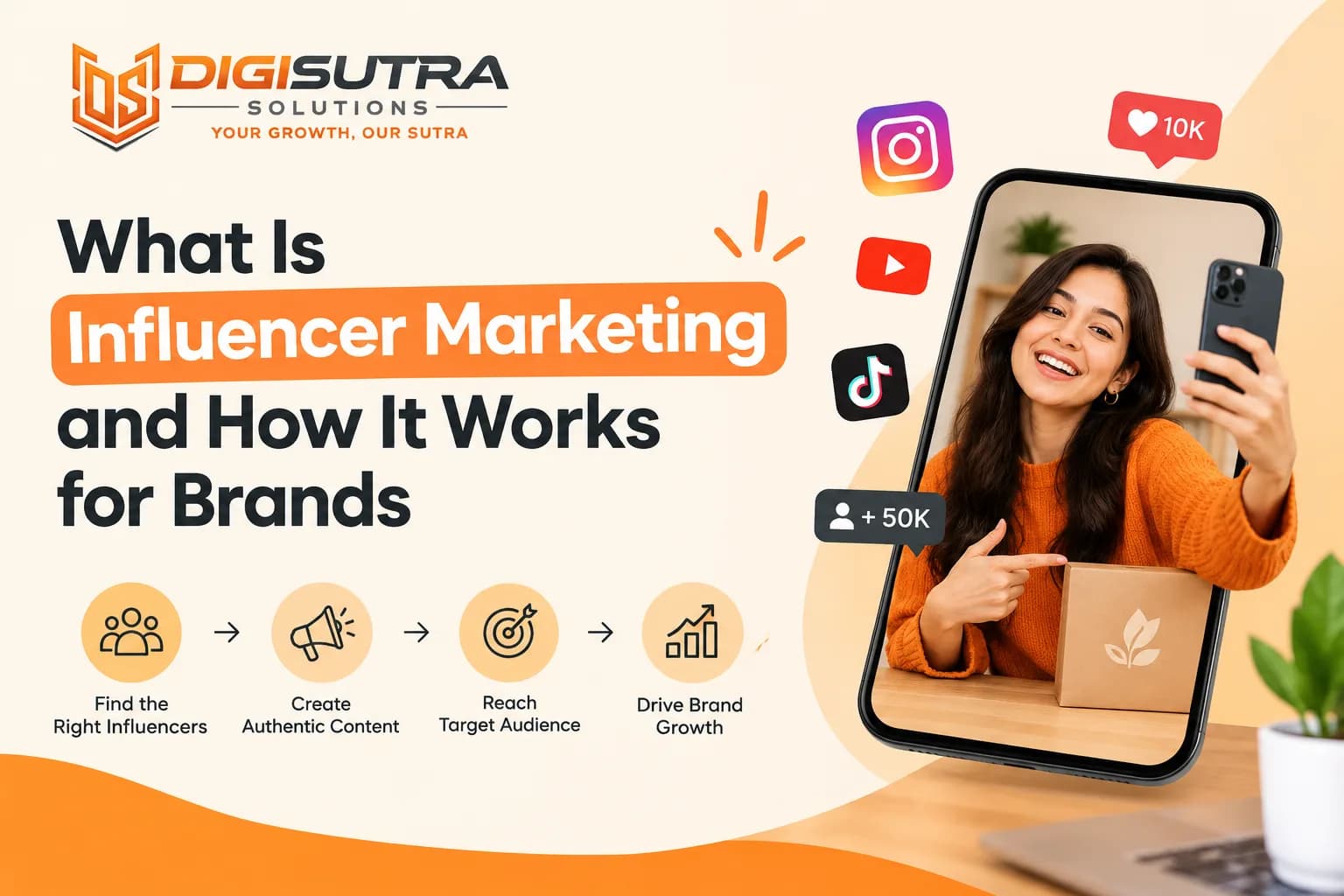
Influencer marketing works as a simple loop. A brand picks creators whose followers match its buyers. The creator makes content about the product in their own style. Followers see it and trust it and act on it. The brand tracks the results and keeps working with the creators who deliver.
Steps Brands Follow to Run an Influencer Campaign
Define the campaign goal such as awareness or leads or direct sales
Identify the target audience and the platforms they use most
Shortlist influencers whose followers match that audience
Reach out and agree on the content and timeline and fee
Share a clear brief and approve content before it goes live
Track results with promo codes and tracked links
Repeat with the influencers who performed best
This cycle helps brands treat influencer marketing as a repeatable channel rather than a one time experiment. Over time brands build a shortlist of trusted creators. Every new campaign then gets faster to plan and easier to predict.
Why Influencer Marketing Works on People
Trust transfer: Followers trust the creator so they extend that trust to the product
Social proof: Seeing someone like you use a product makes it feel safe to buy
Repeated exposure: People see the same creator often so the brand starts to feel familiar
Native format: The post looks like normal content so people do not scroll past it like an ad
Ad blocker reach: Creator posts reach people who block banner ads
Influencer Marketing Statistics Brands Should Know in 2026
The numbers show why budgets keep moving toward creators.
Key Numbers at a Glance
The global influencer marketing industry was worth about $32.55 billion in 2025 according to Influencer Marketing Hub
Influencer Marketing Hub reports businesses earn around $5.78 for every $1 spent on influencer marketing
87% of brands in the Influencer Marketing Hub 2026 Benchmark Report expect their influencer budget to grow
Over half of marketers plan to work with more micro and nano creators in 2026
TikTok is the top platform in 2026 plans for 31% of brands
86% of consumers buy something inspired by an influencer at least once a year according to Sprout Social
Most of this money now goes to smaller creators with loyal audiences. Single expensive celebrity posts are getting a smaller share.
Types of Influencers Brands Work With
Not every influencer fits every brand. Creators are usually grouped by the size of their following. That size often decides the reach and engagement and cost a brand can expect.
Influencer Categories by Follower Size
Influencer type | Followers | Rough cost per Instagram post | Best for |
Nano | 1,000 to 10,000 | $10 to $100 | Local brands and product seeding |
Micro | 10,000 to 100,000 | $100 to $1,000 | Niche trust and high engagement |
Mid tier | 100,000 to 500,000 | $1,000 to $5,000 | Growing brands that need reach and trust |
Macro | 500,000 to 1 million | $5,000 to $10,000 | Big launches and wide awareness |
Mega or celebrity | 1 million and above | $10,000 and up | Mass reach for large budgets |
Costs are rough industry estimates. Real rates change with niche and platform and usage rights.
Smaller creators often bring better engagement while larger ones bring bigger reach. Many brands pair this channel with a broader content marketing strategy so influencer posts and owned content support each other.
Influencer Types by Content Style
Industry experts who teach and review products in their field
UGC creators who make content for the brand to post without sharing it with their own audience
Brand ambassadors who stay with one brand for months or years
Lifestyle creators who cover fashion and travel and food and fitness
B2B thought leaders who post on LinkedIn or run podcasts
Virtual influencers built with CGI or AI
Influencer Marketing vs Celebrity Endorsements vs Brand Ambassadors
These three get mixed up a lot. The main difference is trust and cost and contract length.
Quick Comparison Table
Factor | Influencer marketing | Celebrity endorsement | Brand ambassador |
Who | Niche creators | Famous public figures | A creator or customer on a long deal |
Contract | Per campaign | Per campaign or yearly | Months or years and often exclusive |
Cost | Low to high | Very high | Monthly fee or products |
Trust | High within the niche | Lower since it feels like an ad | High and grows over time |
Tracking | Easy with codes and links | Hard | Easy |
Pick influencers for fast tests across many audiences. Pick a celebrity when mass reach matters more than cost. Pick ambassadors when you want steady content and long term loyalty.
How Much Does Influencer Marketing Cost and How Do Influencers Get Paid?
Influencer marketing can cost anything from free products to six figure deals. Most small brand deals stay under $500 per post. Influencer Marketing Hub benchmark data shows most nano and micro creator partnerships fall below that mark.
Common Payment Models
Flat fee for each post or reel or video
Gifting where the creator gets free products instead of cash
Affiliate commission on every sale made through their link or code
Performance bonus when sales or sign ups cross a target
Monthly retainer for long term ambassadors
Usage rights fee when the brand wants to run the creator's content as ads
Prices go up when you ask for exclusivity or extra edits or the right to boost the post as an ad. Settle these points in writing before the creator starts filming.
Best Platforms for Influencer Marketing
Instagram and TikTok and YouTube carry most influencer campaigns. The best platform is the one your buyers use every day.
Platform Guide for Brands
Platform | Works best for | Content that performs |
Fashion and beauty and travel and food | Reels and stories and carousels | |
TikTok | Gen Z and trend driven products | Short videos and demos and TikTok Shop |
YouTube | Tech and finance and big purchases | Long reviews and tutorials |
B2B and SaaS and services | Expert posts and carousels | |
Home decor and recipes and weddings | Idea pins and visual guides | |
Twitch | Gaming | Live streams |
Older audiences and local groups | Group posts and videos |
Start with one platform where your customers already spend time. Get it working before you spread across many.
Popular Types of Influencer Marketing Campaigns
Brands do not run just one kind of influencer campaign. The format usually depends on the goal and the platform and the stage of the buyer journey. A launch might lean on unboxing videos while a retention push might use ambassador deals instead.
Common Campaign Formats
Sponsored posts or reels featuring the product
Unboxing and first impression videos
Product reviews and honest opinion content
Giveaways and contests to boost reach
Affiliate style posts with tracked discount codes
Long term brand ambassador deals
User generated content collaborations
Partnership ads where the brand pays to boost the creator's post
Live shopping streams inside apps
Account takeovers and event coverage
Each format works differently. Brands often mix a few of these in one campaign to cover both reach and sales.
Benefits of Influencer Marketing for Brands
Brands choose this channel because it solves problems that normal ads struggle with.
Why Brands Invest in Influencer Marketing
Builds trust faster since followers already trust the creator
Reaches small and specific niche audiences
Costs less than many traditional media formats
Produces content brands can reuse on their own channels
Earns mentions and backlinks that help search visibility
Sells directly inside apps through shoppable posts
Pairs well with paid performance campaigns where the best creator posts become high converting ads
Limitations and Risks of Influencer Marketing
Influencer marketing has real downsides. Knowing them early saves budget.
Risks to Plan For
Fake followers: Some accounts buy followers and likes to look bigger
Brand safety: A creator's bad behavior can land on your brand
Less control: Creators speak in their own voice and may not say things your way
Rising fees: Marketers named rising creator costs as their top challenge in the 2026 Influencer Marketing Hub report
Hard to measure: Awareness and long term brand lift are tough to track
Platform risk: Rules and reach can change overnight as the short TikTok shutdown in the US showed in January 2025
Audience fatigue: Too many sponsored posts make followers tune out
Most of these risks shrink with proper vetting and a written contract and tracking from day one.
How to Choose the Right Influencer for Your Brand
Picking the wrong influencer can waste a budget fast. Brands that get results follow a simple checklist before signing anyone.
Checklist Before You Sign an Influencer
Check if their audience matches your target customer
Look at engagement rate and not just follower count
Review past brand collaborations for quality and tone
Read comments to spot fake or bot followers
Ask for audience insights such as age and location
Confirm their values match your brand image
Set up a free KPI dashboard early so you can track results from the very first post
Skipping this step is one of the biggest reasons influencer campaigns underperform.
How to Calculate Engagement Rate
Engagement rate = (likes + comments + shares) ÷ followers × 100
Say a creator has 20,000 followers. A post gets 400 likes and 80 comments and 20 shares. That is 500 engagements. 500 divided by 20,000 times 100 gives an engagement rate of 2.5%. Large accounts usually sit between 1% and 3%. Smaller creators often cross 4% or 5%.
Where to Find Influencers
Search hashtags and keywords in your niche
Check who already tags or mentions your brand
Look at creators your competitors work with
Use influencer discovery platforms
Hire an influencer marketing agency to shortlist and manage creators
What to Include in an Influencer Brief
A brief tells the creator what you need without killing their style. A good one fits on a single page.
Influencer Brief Checklist
Campaign goal and the one key message
Product details and what makes it different
Target audience
Deliverables and posting dates
Do's and don'ts including claims the creator must avoid
Disclosure rules
Tracking links and promo codes
Usage rights and payment terms
Give creators the facts and let them tell the story their way. Followers can spot a script and scripted posts usually perform worse.
Influencer Marketing Disclosure Rules Brands Must Follow
Paid influencer posts must be clearly labeled in most countries. Both the creator and the brand can be held responsible when a post hides a paid deal.
USA: The FTC Endorsement Guides require disclosure of any "material connection" such as payment or free products or affiliate links
UK: The ASA and CMA require ads to be clearly marked as ads
India: ASCI guidelines ask for labels like #ad or #collab or #sponsored. The Department of Consumer Affairs also released endorsement guidelines for influencers in 2023
Disclosure Basics Every Brand Should Follow
Use clear labels like #ad or #sponsored or the platform's paid partnership tag
Put the label at the start where people see it without tapping "more"
Say it out loud in videos too
Disclose gifted products and affiliate links as well as paid deals
Add disclosure rules to the contract
Never ask a creator to make claims the product cannot back up
Real Examples of Influencer Marketing
Real campaigns show what works and what goes wrong.
Brands That Used Influencers Well
Daniel Wellington: The watch brand sent free watches to many Instagram creators and gave each one a personal discount code. This approach helped it grow into a global brand with very little traditional advertising.
Gymshark: The founder sent early clothing samples to fitness YouTubers. Creator partnerships became the core of the brand's growth.
Glossier: The beauty brand treated everyday customers as micro influencers and built its products around their feedback.
Mamaearth: The Indian brand worked with mom bloggers along with doctors and skincare experts to build trust for its baby care range.
A Lesson in What Not to Do
Lord & Taylor: In 2015 the retailer paid 50 Instagram influencers to post photos in the same dress. The dress sold out fast. The posts did not say they were paid. The FTC stepped in and the company settled charges in 2016.
How to Measure Influencer Marketing ROI
A campaign is only successful if the results can be measured. Brands need clear numbers and not just good feelings about a post.
Metrics That Actually Matter
Reach and impressions for awareness campaigns
Engagement rate including likes and comments and shares
Click through rate on links or bio placements
Promo code redemptions
Conversions or sales from tracked codes and links
Cost per acquisition compared to other channels
Earned media value to estimate what the exposure would cost as ads
Simple ROI Formula With an Example
ROI = (Revenue from campaign − Total cost) ÷ Total cost × 100
Say you spend $2,000 on three micro influencers. Their codes bring 90 orders at $50 each. That is $4,500 in revenue. ($4,500 − $2,000) ÷ $2,000 × 100 gives an ROI of 125%.
Running your own numbers through a marketing ROI calculator shows quickly if a campaign paid off or only looked good on the surface.
Tools to Track Results
A UTM link for each creator
A unique promo code for each creator
Affiliate links
A dedicated landing page for the campaign
Screenshots of post insights from the creator
Common Influencer Marketing Mistakes to Avoid
Even with a good plan brands still make avoidable errors. Most of them come from rushing to get content live instead of building a channel that improves over time.
Mistakes That Quietly Kill Campaigns
Choosing influencers based on follower count alone
Skipping a written agreement on deliverables
Not disclosing sponsored content properly
Scripting every word so the post sounds fake
Forgetting to agree on usage rights before running ads with the content
Sending traffic to a homepage instead of a focused landing page
Ignoring performance data after the campaign ends
Treating influencer marketing as a one time push instead of an ongoing channel
Brands that want a clearer picture of channel performance often study benchmarks like the ones in our ecommerce performance marketing guide before setting budgets for the next quarter.
Is Influencer Marketing Right for Your Business?
Influencer marketing suits most consumer brands and many B2B brands too. The fit depends on your product and your buyers and your ability to track sales.
Signs It Will Work for You
Your product is visual or easy to show in a short video
Your buyers spend time on social media
You can track sales online through codes or links
You can test for at least two to three months
You have a budget for several small creators rather than one big name
B2B brands follow the same idea with a different crowd. They work with industry experts and LinkedIn creators and podcast hosts instead of lifestyle influencers.
The Future of Influencer Marketing
Influencer marketing keeps changing as platforms and tools change. These trends are shaping the next few years.
Trends to Watch
More budget going to nano and micro and UGC creators
AI tools that help brands find and vet creators. Influencer Marketing Hub found 36.67% of brands already use AI for creator discovery
Social commerce through TikTok Shop and Instagram shopping. Shoppable posts convert best when the online store behind them loads fast and checkout is simple
Virtual and AI influencers alongside real creators
Long term creator partnerships over one off posts
More B2B creators on LinkedIn and YouTube
Creator content used as paid ads across channels
Conclusion
Influencer marketing has moved from a trend to a core part of how brands reach customers. It works because it borrows trust that would otherwise take years to build. The brands that win pick creators with the right audience. They pay fairly and label every paid post. They track sales with codes and links and keep the creators who deliver. Whether you run a small business or an established brand this channel gives you a practical way to reach real people through voices they already believe in.
FAQs
What is influencer marketing in simple words?
Influencer marketing is when a brand works with a content creator to promote its product to that creator's followers. The creator gets paid in money or products or a share of sales.
How is influencer marketing different from traditional advertising?
Traditional ads interrupt people. Influencer content blends into the feed and feels like a recommendation from someone the viewer already follows.
Which social media platforms work best for influencer marketing?
Instagram and TikTok and YouTube are the most used platforms. LinkedIn works best for B2B brands. The right choice is the platform your target buyers use most.
How much does influencer marketing cost?
Costs depend on follower size and platform. Nano creators may charge $10 to $100 per post. Celebrities can charge $10,000 or much more. Most small brand deals stay under $500 per post.
What is an example of influencer marketing?
Daniel Wellington is a well known example. The brand sent free watches to Instagram creators and gave each one a personal discount code. This helped it grow into a global watch brand.
What is a good engagement rate for influencer marketing?
For large accounts 1% to 3% is normal. Smaller creators often reach 4% to 5% or more. Divide total likes and comments and shares by followers and multiply by 100 to find it.
Can small businesses use influencer marketing?
Yes. Small businesses often get great results with nano and micro influencers since the cost is lower and engagement is usually higher. Local creators work well for shops and restaurants and clinics.
Do influencers have to disclose paid posts?
Yes. The FTC in the US and the ASA in the UK and ASCI in India all require clear labels like #ad or #sponsored on paid posts. Gifted products and affiliate links must be disclosed too.
How long does an influencer marketing campaign take to show results?
Awareness can show up within days. Sales results usually need four to eight weeks to measure properly.
Is influencer marketing worth it for B2B brands?
Yes. B2B brands usually work with industry experts and LinkedIn creators and podcast hosts rather than lifestyle creators on Instagram.
About the author

Sr. SEO Executive · 3 years' experience
Harsh Rajput is a Senior SEO Executive with 3+ years of experience in SEO, digital marketing and AEO/GEO strategy. He leads a team of SEO executives at Digisutra Solutions, handling keyword research, technical SEO, on-page/off-page optimization, link building and content strategy, while helping brands rank in Google AI Overviews and LLM platforms like ChatGPT, Claude and Gemini. He has worked with clients across India, USA, UAE, and Australia in industries like e-commerce, finance and technology.
Reader reviews
Up next · Marketing & ads · 23 min
Performance Marketing vs Digital Marketing: Which One Is Right for Your Business?

Related · AI automation · 20 min
What Custom AI Development Means for a Business